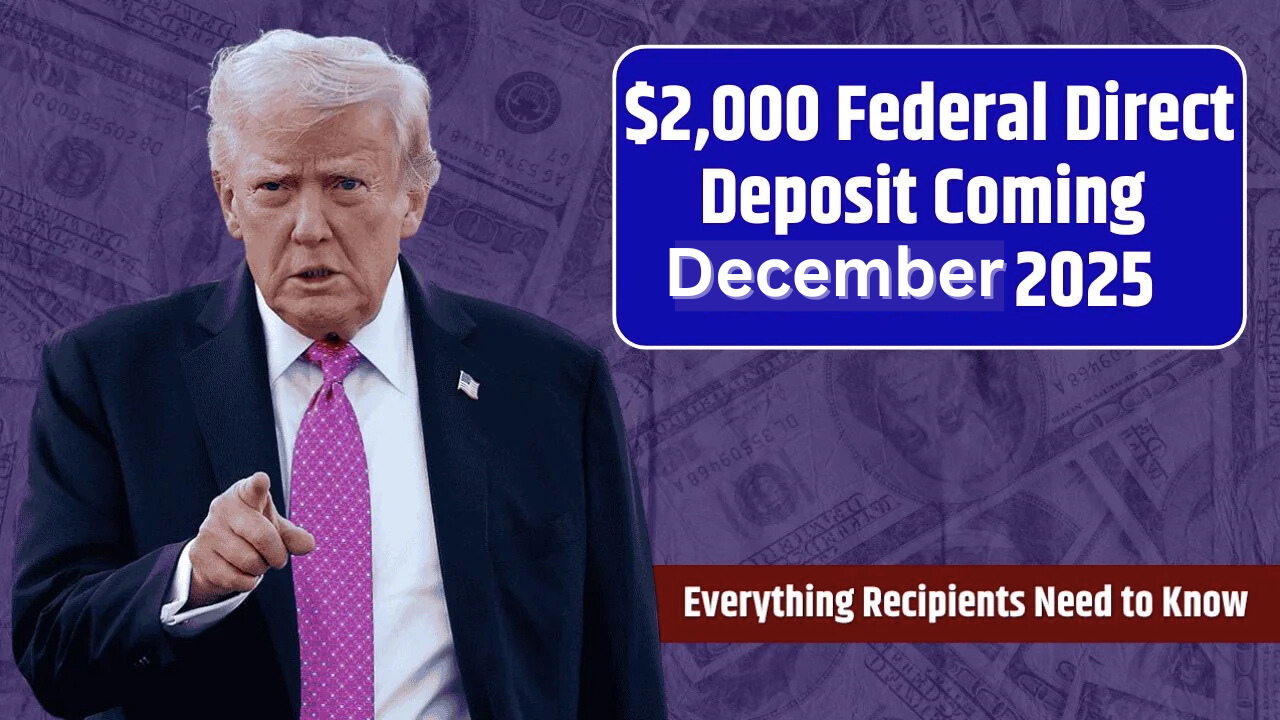
$2,000 Federal Direct Deposit:As 2025 draws to a close, millions of Americans are closely monitoring news regarding federal financial relief. And now, a wave of hope is spreading across the country: news that $2,000 federal direct deposit payments are coming to eligible citizens in December 2025. For many families struggling with rising living expenses, medical bills, or financial stress during the holiday season, this potential payment could provide much-needed relief.
While official confirmations are still underway, discussions, proposals, and initial guidelines give Americans a clear picture of who may benefit, how payments may be distributed, and what steps to take to avoid delays. This guide explains everything in a simple, human-like way—so you know exactly what to expect.
Why is a $2,000 payment being considered?
While inflation may have slowed compared to the beginning of 2020, the prices of essential items—rent, healthcare, utilities, and groceries—remain stubbornly high. Seniors on fixed incomes, low-income families, and many workers have reported financial constraints again throughout the year.
In response, federal policymakers are considering the option of a one-time relief payment similar to the stimulus checks issued during the pandemic. This time, the goal is to help citizens during the winter months, a time when financial needs typically increase due to holiday spending, heating bills, and year-end tax obligations.
The proposed $2,000 direct deposit is part of this larger discussion.
Who Is Expected to Qualify?
While the final eligibility criteria may vary, early outlines show that qualification will likely follow guidelines similar to previous federal relief programs. The groups expected to qualify include:
1. U.S. Citizens and Legal Residents
You must have an SSN or a valid ITIN. Non-residents and temporary visa holders are not expected to qualify.
2. Income-Based Eligibility
Although thresholds may change, current discussions suggest limits like:
-
Single filers: up to $75,000
-
Married couples filing jointly: up to $150,000
-
Head of household: up to approximately $112,500
Reduced amounts may be provided to individuals slightly above these thresholds.
3. Seniors on Social Security
Retirees receiving:
-
Social Security retirement
-
SSDI
-
SSI
-
VA disability benefits
…are expected to qualify automatically, as long as their information is up to date with the Social Security Administration (SSA).
4. Low- to Moderate-Income Workers
Those earning wages but struggling with the rising cost of living are also included. Eligibility will likely be based on the most recent filed tax return.
5. Families With Dependents
Households with children may receive additional benefits or priority processing, depending on final IRS instructions.
How will payments be sent?
The government will rely heavily on digital distribution, as with previous stimulus rollouts.
1. Direct Deposit
This is the fastest and most reliable method. Payments will go directly to the bank account listed on your most recent tax return or SSA profile.
2. Paper Check
If no bank information is available, the IRS may send checks by mail. However, this may take significantly longer.
3. Prepaid Debit Cards
Some beneficiaries may receive prepaid cards, especially those who don’t have traditional bank accounts.
Expected Payment Dates
Although December 2025 is the estimated month, distribution will likely occur in these phases:
- Phase 1: Social Security and VA Beneficiaries
- Phase 2: Tax Filers with Direct Deposit
- Phase 3: Paper Check Receivers
If IRS systems follow the previous model, the first payments could be issued in the first or second week of December, with the final batch arriving around the end of December 2025.
How to Prepare Now
To avoid delays, eligible Americans should take simple but important steps:
- Update your address and bank details with the IRS or SSA.
- File all outstanding tax returns, as missing returns may result in withheld payments.
- Check for errors such as misspelled names or outdated personal details.
Beware of scams—the IRS never calls, texts, or emails asking for payments or personal information.
A Payment That Brings Hope
For millions of families, a $2,000 federal direct deposit in December 2025 could mean a more relaxed holiday season, fewer money worries, and a calmer start to the new year. As the government finalizes the details, growing optimism reflects a similar hope: relief is on its way when Americans need it most.
FAQs
1. Is the $2,000 payment officially confirmed?
Final confirmation is pending, but discussions and proposals indicate strong momentum for release in December 2025.
2. Do I need to apply to receive the payment?
In most cases, no. If your tax and Social Security records are accurate, the payment should arrive automatically.
3. What if I didn’t file taxes last year?
You may still qualify, but you might need to file a return or update information with the IRS.
4. Will dependents receive additional money?
It’s possible. Final rules will determine whether children or adult dependents increase the payment amount.
5. What if I don’t have a bank account?
You will likely receive a paper check or a prepaid debit card.